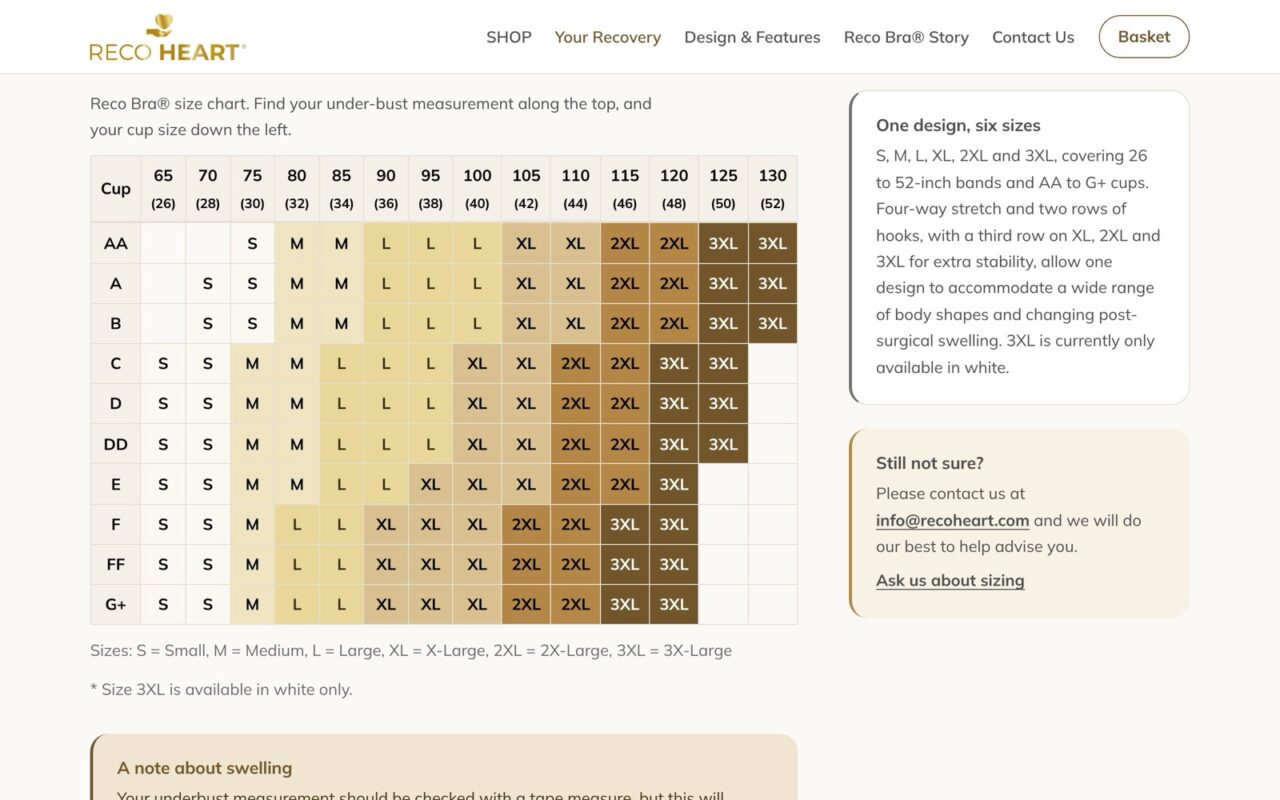
First of all, I apologise for the lousy photo. An explanation for this can be found in my blog post about AI images.
I recently tried to unsubscribe from a food delivery service.
It’s strange that on their quick and convenient app you can subscribe, add meals and add more side dishes. However, should you wish to cancel, you must log in to their website and go through about 30 steps. This leaves a bad taste in your mouth (unlike their food, which was pretty good). I would almost certainly have gone back to them in the future, but I won’t remember their meal kits; I’ll recall what a pain in the arse it was to cancel, and it will put me off.
Don’t even get me started on trying to cancel Sky TV. The whole cancellation process is intentionally terrible. They make it as hard as possible to cancel so you give up entirely, and they can continue with your direct debit each month. You can add channels and services on their website and app with a click or two. Try to remove those same channels and services; you should prepare for at least an hour on the phone.
Some may consider the off-boarding experience inconsequential since the individual is parting ways with the service. Yet, this perspective needs to be revised.
How you manage the off-boarding process can significantly influence your company’s image. Users who depart with a favourable impression are more inclined to endorse your brand favourably and more likely to return.
Consider off-boarding not a conclusion but a chance to make a memorable impact. Ensuring a satisfactory off-boarding journey can help sustain brand loyalty, even post-departure.
Ideally, unsubscribing should be as effortless as subscribing. If a user could sign up digitally without personal interaction, they should be allowed to opt out the same way.
It’s acceptable to encourage them to stay, but such efforts should follow the completion of the unsubscribe process.
For instance, when someone unsubscribes, you might say:
“Your subscription has been cancelled. You can reverse your cancellation here if you reconsider within the next 48 hours. As our gratitude, we’ll offer you a 25% discount for the next six months.”
This approach fosters goodwill, as users don’t encounter hindrances and might be more open to reconsideration since you’ve respected their initial choice. This consideration extends to inquiring about their reasons for leaving. When seeking feedback is appropriate, do so after they’ve unsubscribed.
Under no circumstances should you resort to manipulative design tactics to deter users from unsubscribing. This not only refers to complex procedures but also to emotionally loaded verbiage.
Customers can discern manipulation, and although such tactics might sometimes work, they often lead to resentment, which can do more damage than any short-term gains.